
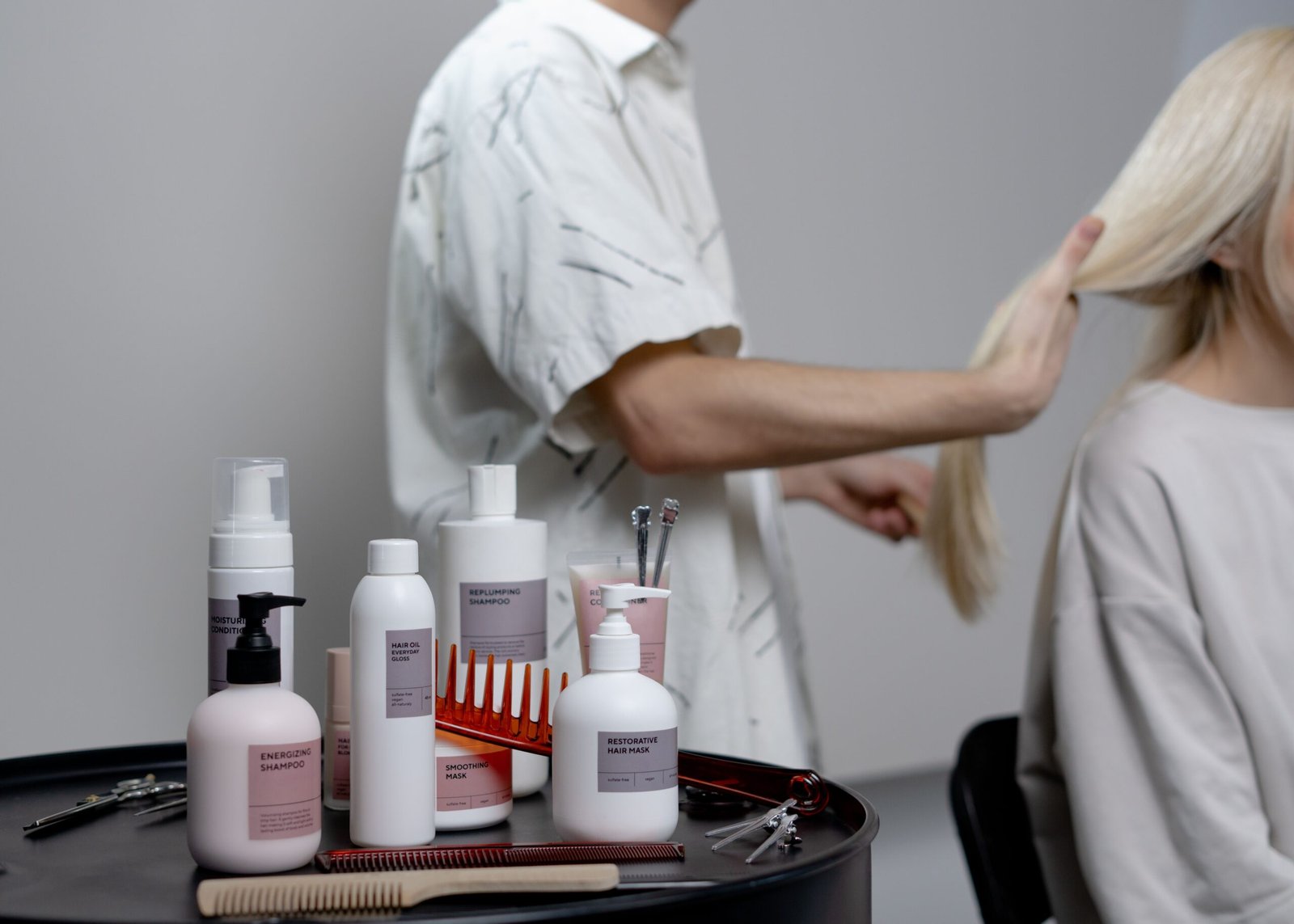
Hair care plays an important role in personal grooming and overall appearance. Healthy hair requires consistent maintenance, proper cleansing, adequate moisture, and products that match individual hair needs. With thousands of hair care products available in the market, choosing the right options can be challenging for beginners and experienced users alike.
This guide explains the major categories of hair care products, how to select them based on hair type, and the factors to consider when building an effective hair care routine.
Understanding Hair Care Basics
Hair is exposed daily to environmental factors such as:
- Dust
- Pollution
- Sunlight
- Humidity
- Heat styling
- Chemical treatments
Proper hair care products help maintain cleanliness, manageability, and scalp health while reducing damage caused by these factors.
A complete hair care routine usually includes:
- Shampoo
- Conditioner
- Hair oil
- Hair mask
- Leave-in products
- Styling products
Not every person needs all of these products, but understanding their functions helps create an effective routine.
Understanding Hair Types
Selecting products begins with identifying your hair type.
Straight Hair
Characteristics include:
- Smooth appearance
- Oil spreads easily
- Less tangling
Common concerns:
- Excess oil
- Flat appearance
Wavy Hair
Characteristics include:
- Natural wave patterns
- Moderate volume
- Variable texture
Common concerns:
- Frizz
- Uneven texture
Curly Hair
Characteristics include:
- Defined curl patterns
- Greater dryness
- Increased tangling
Common concerns:
- Moisture retention
- Breakage
Coily Hair
Characteristics include:
- Tight curl patterns
- Significant shrinkage
- Dryness tendency
Common concerns:
- Hydration
- Fragility
Understanding hair type improves product selection.
Shampoo Guide
Shampoo is the foundation of most hair care routines.
Its primary purpose is to remove:
- Dirt
- Oil
- Sweat
- Product buildup
Types Of Shampoo
Daily Use Shampoo
Suitable for regular cleansing and maintenance.
Moisturizing Shampoo
Designed to support hydration.
Commonly used for:
- Dry hair
- Curly hair
- Chemically treated hair
Clarifying Shampoo
Used occasionally to remove buildup.
Helps eliminate:
- Styling residue
- Excess oil
- Environmental deposits
Color Protection Shampoo
Used for maintaining color-treated hair.
Anti-Dandruff Shampoo
Targets scalp flaking and dandruff concerns.
Choosing The Right Shampoo
Consider:
- Hair type
- Scalp condition
- Frequency of washing
- Styling habits
Selecting the appropriate shampoo supports overall hair health.
Conditioner Guide
Conditioner helps restore moisture after cleansing.
Benefits include:
- Improved softness
- Reduced tangles
- Better manageability
- Increased smoothness
Types Of Conditioner
Rinse-Out Conditioner
Applied after shampoo and rinsed away.
Deep Conditioner
Provides intensive moisture support.
Often used weekly.
Leave-In Conditioner
Remains in the hair after washing.
Provides ongoing moisture and detangling support.
Choosing A Conditioner
Match conditioner selection with:
- Hair texture
- Moisture needs
- Styling requirements
Proper conditioning supports healthy-looking hair.
Hair Oil Guide
Hair oils remain a popular part of many hair care routines.
Common purposes include:
- Moisture retention
- Scalp care
- Hair softness
- Frizz control
Common Hair Oils
Coconut Oil
Frequently used for hair conditioning.
Argan Oil
Often applied to improve manageability.
Castor Oil
Commonly used in scalp care routines.
Jojoba Oil
Used to support scalp moisture balance.
Hair Oil Application Tips
Apply according to product instructions and hair needs.
Excessive use may cause buildup, especially on fine hair.
Hair Masks And Treatments
Hair masks provide intensive care.
Benefits may include:
- Moisture support
- Improved manageability
- Reduced dryness
- Enhanced appearance
When To Use Hair Masks
Hair masks are commonly used:
- Once weekly
- After chemical treatments
- During periods of dryness
Consistent use can support hair maintenance goals.
Scalp Care Products
Healthy hair growth begins with scalp care.
Common scalp products include:
- Scalp cleansers
- Scalp serums
- Scalp exfoliators
- Anti-dandruff treatments
Importance Of Scalp Health
A healthy scalp supports:
- Hair growth
- Hair comfort
- Reduced buildup
Scalp care should be part of a complete hair routine.
Leave-In Hair Products
Leave-in products remain on the hair after washing.
Common types include:
Leave-In Conditioner
Provides ongoing hydration.
Detangling Spray
Helps reduce knots and tangles.
Hair Cream
Supports moisture and styling.
Hair Serum
Often used to manage frizz and improve smoothness.
These products provide additional support between washes.
Heat Protection Products
Heat styling tools can affect hair condition.
Heat protection products help reduce exposure from:
- Hair dryers
- Curling tools
- Straighteners
Benefits Of Heat Protection
Potential benefits include:
- Reduced dryness
- Improved moisture retention
- Lower risk of damage
Heat protection should be considered before heat styling.
Styling Products Guide
Styling products help create and maintain hairstyles.
Hair Gel
Used for hold and structure.
Hair Wax
Provides flexible styling control.
Hair Cream
Supports natural-looking styles.
Hair Mousse
Often used for volume and texture.
Hair Spray
Helps maintain hairstyles throughout the day.
Choose styling products based on desired results and hair type.
Hair Care Products For Dry Hair
Dry hair often benefits from products focused on moisture.
Recommended categories include:
- Moisturizing shampoo
- Hydrating conditioner
- Hair masks
- Leave-in conditioners
- Hair oils
Hydration remains a priority for dry hair care.
Hair Care Products For Oily Hair
Oily hair requires balance rather than excessive cleansing.
Useful products include:
- Lightweight shampoos
- Clarifying shampoos
- Lightweight conditioners
Avoid over-washing, which may increase oil production.
Hair Care Products For Curly Hair
Curly hair often requires additional moisture support.
Helpful products include:
- Moisturizing shampoo
- Deep conditioner
- Leave-in conditioner
- Curl cream
Hydration and gentle handling remain important.
Hair Care Products For Damaged Hair
Hair affected by chemical processing or excessive heat may benefit from:
- Repair-focused shampoos
- Deep conditioners
- Hair masks
- Leave-in treatments
Consistency is important when addressing hair damage.
Building A Basic Hair Care Routine
A simple routine may include:
Wash Day
- Shampoo
- Conditioner
Weekly Care
- Hair mask
- Scalp treatment if needed
Daily Maintenance
- Leave-in product
- Hair oil when appropriate
This structure provides a foundation for hair maintenance.
Natural Hair Care Products
Many consumers choose products containing naturally derived ingredients.
Common ingredients include:
- Aloe vera
- Coconut oil
- Argan oil
- Shea butter
- Jojoba oil
Natural ingredients often appear in shampoos, conditioners, and treatments.
Common Hair Care Mistakes
Avoiding mistakes can improve results.
Over-Washing Hair
Excessive washing may remove natural oils.
Using Excess Product
Too much product can create buildup and reduce manageability.
Ignoring Scalp Care
Scalp health contributes to overall hair condition.
Frequent Heat Styling
Repeated heat exposure may increase dryness and damage.
Choosing Products Based Only On Advertising
Product selection should focus on hair needs rather than marketing claims.
Seasonal Hair Care Considerations
Hair care needs may change throughout the year.
Summer Hair Care
Focus on:
- Sun protection
- Moisture maintenance
- Regular cleansing
Winter Hair Care
Focus on:
- Hydration
- Reduced dryness
- Protective styling
Seasonal adjustments help maintain hair condition.
Reading Hair Product Labels
Before purchasing products, review:
- Ingredient lists
- Usage instructions
- Hair type recommendations
Understanding product labels supports informed decisions.
Creating A Hair Care Budget
Hair care expenses can increase without planning.
Budget strategies include:
- Prioritizing essential products
- Purchasing according to actual needs
- Tracking product usage
- Replacing products only when necessary
A structured approach helps control spending.
Long-Term Hair Maintenance
Healthy hair often results from consistent habits rather than quick solutions.
Helpful habits include:
- Regular washing
- Proper conditioning
- Scalp care
- Heat protection
- Balanced nutrition
- Hydration
These practices support long-term hair management.
Conclusion
The best hair care products guide begins with understanding hair type, scalp condition, and personal grooming needs. Shampoo, conditioner, hair oils, masks, scalp treatments, and styling products each serve different purposes within a complete hair care routine.
By selecting products carefully, maintaining consistent habits, and avoiding common mistakes, individuals can build effective hair care routines that support cleanliness, manageability, and long-term hair health. Rather than following trends alone, focusing on individual hair needs leads to more practical and sustainable results.




Leave a Reply