
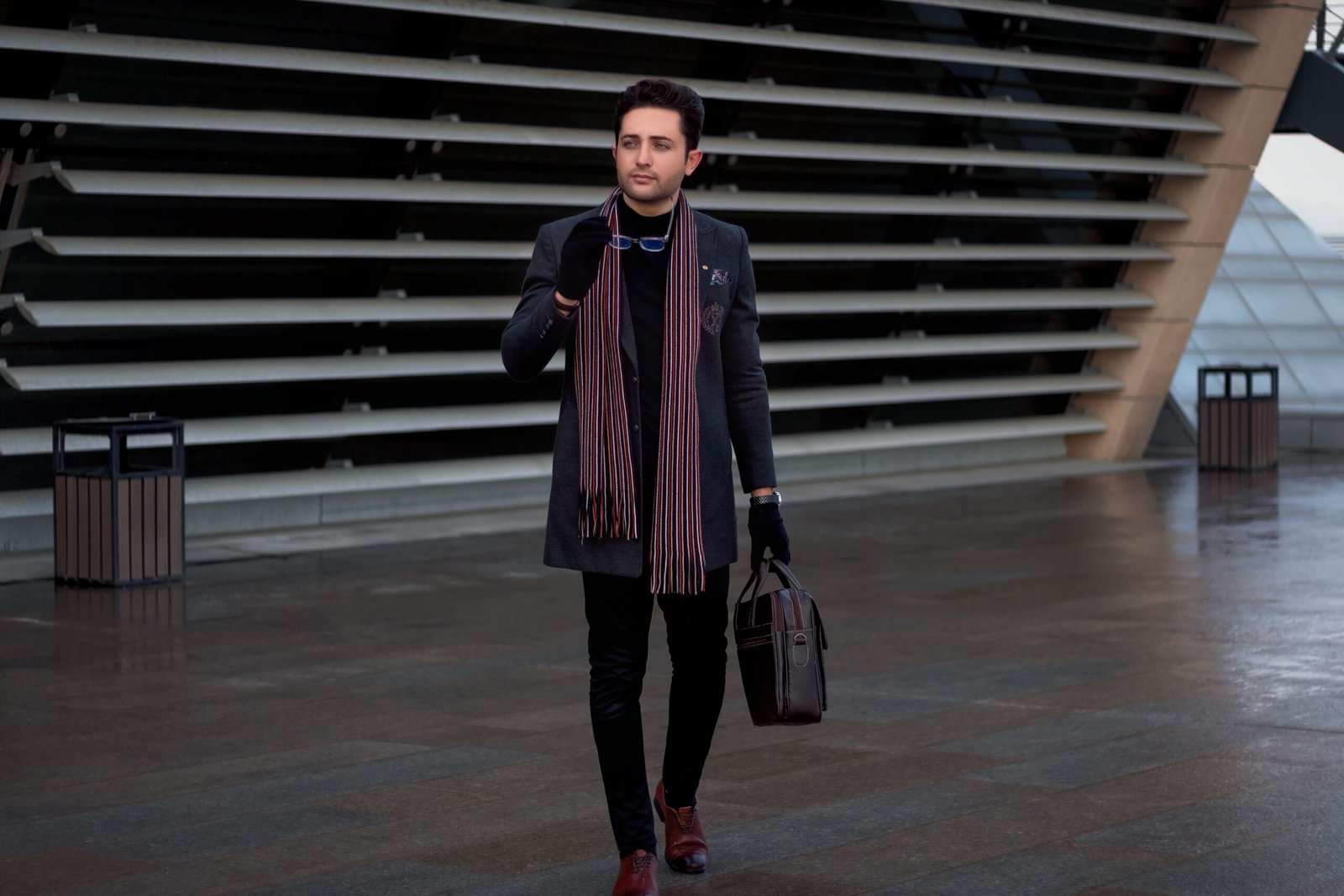
Fashion changes with culture, technology, work patterns, and consumer behavior. Men’s fashion continues to evolve as people look for clothing that fits daily routines, social events, travel, fitness, and professional settings. Understanding current fashion trends helps men build wardrobes that support different needs while maintaining a consistent personal style.
This guide explores the latest fashion trends for men, key clothing categories, styling approaches, shopping considerations, and wardrobe planning methods.
Understanding Modern Men’s Fashion
Men’s fashion today focuses on practicality, versatility, and personal expression. Rather than following a single trend, many men combine elements from different fashion influences.
Common influences include:
- Streetwear
- Business casual clothing
- Athletic wear
- Workwear
- Vintage fashion
- Minimalist fashion
- Sustainable clothing
Modern wardrobes often include pieces that transition between work, travel, and leisure activities.
Relaxed Fit Clothing
One of the most noticeable trends is the shift toward relaxed silhouettes.
Many men now prefer:
- Relaxed-fit trousers
- Straight-leg jeans
- Loose shirts
- Oversized jackets
- Wide-leg pants
Relaxed fits provide comfort while allowing greater freedom of movement. This trend has gained attention across age groups and fashion categories.
How To Wear Relaxed Clothing
Balance remains important.
Examples include:
- Relaxed trousers with fitted T-shirts
- Wide-leg pants with structured jackets
- Loose shirts with straight-fit jeans
This combination helps create proportion throughout an outfit.
Neutral Color Fashion
Neutral colors continue to dominate men’s fashion.
Popular choices include:
- Black
- White
- Gray
- Beige
- Brown
- Navy
Neutral colors simplify outfit coordination and allow clothing items to work together across multiple combinations.
Benefits Of Neutral Clothing
Neutral wardrobes help men:
- Reduce shopping mistakes
- Build outfit combinations
- Simplify daily dressing
- Create consistency
Many fashion experts recommend starting with neutral basics before adding statement pieces.
Matching Sets
Matching sets have become common in men’s fashion.
Examples include:
- Shirt and shorts sets
- Track suits
- Coordinated casual wear
- Knitwear combinations
Matching sets reduce decision-making while creating a complete look.
These outfits work for:
- Casual gatherings
- Travel
- Vacation wear
- Weekend activities
Utility-Inspired Fashion
Utility fashion draws inspiration from workwear and outdoor clothing.
Popular pieces include:
- Cargo pants
- Utility jackets
- Multi-pocket overshirts
- Work boots
- Functional vests
The focus is functionality combined with style.
Why Utility Fashion Remains Popular
Utility clothing offers:
- Extra storage
- Durable construction
- Practical design
- Everyday versatility
Many consumers appreciate clothing that serves practical purposes.
Denim Trends
Denim remains a key component of men’s fashion.
Current denim trends include:
- Straight-leg jeans
- Relaxed-fit jeans
- Dark wash denim
- Light wash denim
- Denim jackets
- Denim overshirts
Skinny jeans have become less dominant as wider silhouettes gain popularity.
Building Denim Outfits
Simple combinations include:
- White T-shirt with denim jeans
- Denim jacket with chinos
- Black shirt with dark denim
- Sneakers with straight-leg jeans
These combinations work across many situations.
Overshirts And Layering
Overshirts continue to play a major role in men’s wardrobes.
An overshirt sits between a shirt and jacket, making it useful during changing weather conditions.
Common materials include:
- Cotton
- Twill
- Denim
- Flannel
Layering Ideas
Overshirts can be paired with:
- Basic T-shirts
- Polo shirts
- Henley shirts
- Lightweight knitwear
Layering creates visual depth while improving adaptability.
Knitwear In Everyday Fashion
Knitwear is increasingly used beyond cold weather seasons.
Popular knitwear pieces include:
- Crewneck sweaters
- Cardigans
- Knit polos
- Lightweight pullovers
Knitwear adds texture and variety to wardrobes.
Styling Knitwear
Men often pair knitwear with:
- Trousers
- Chinos
- Jeans
- Casual sneakers
These combinations work for office environments and social events.
Polo Shirts Return To Fashion
Polo shirts continue gaining popularity.
They provide a balance between formal and casual clothing.
Popular polo styles include:
- Knit polos
- Cotton polos
- Long-sleeve polos
- Textured polos
When To Wear Polo Shirts
Suitable occasions include:
- Office settings
- Lunch meetings
- Casual gatherings
- Travel
Their versatility makes them a valuable wardrobe staple.
Cargo Pants Evolution
Cargo pants have evolved beyond their original design.
Modern versions often feature:
- Cleaner silhouettes
- Reduced pocket bulk
- Better fabric selection
- Improved tailoring
Styling Cargo Pants
Pair cargo pants with:
- Plain T-shirts
- Overshirts
- Hoodies
- Sneakers
This creates practical everyday outfits.
Athleisure Continues To Grow
Athleisure combines athletic clothing with casual fashion.
Examples include:
- Joggers
- Performance T-shirts
- Athletic sneakers
- Zip-up jackets
Many consumers value comfort and flexibility in daily clothing choices.
Benefits Of Athleisure
Athleisure supports:
- Daily errands
- Travel
- Fitness activities
- Remote work
The category continues to attract consumers seeking convenience.
Sustainable Fashion Choices
Consumers increasingly consider environmental impact when shopping.
Sustainable fashion includes:
- Recycled fabrics
- Organic cotton
- Responsible manufacturing
- Long-lasting garments
Many brands now provide information about production practices and material sourcing.
Building A Sustainable Wardrobe
Focus on:
- Buying fewer items
- Choosing durable products
- Maintaining clothing properly
- Repairing garments when possible
These practices reduce waste and extend garment life.
Footwear Trends For Men
Footwear remains a major part of modern fashion.
Popular options include:
White Sneakers
White sneakers continue to pair with:
- Jeans
- Chinos
- Shorts
- Casual suits
Loafers
Loafers bridge casual and formal dressing.
Boots
Common styles include:
- Chelsea boots
- Work boots
- Chukka boots
Running-Inspired Sneakers
Many sneaker designs draw influence from performance footwear.
Accessories In Men’s Fashion
Accessories can transform simple outfits.
Common accessories include:
- Watches
- Belts
- Sunglasses
- Caps
- Bags
Choosing Accessories
Focus on compatibility with existing wardrobe pieces rather than following short-term trends.
Business Casual Trends
Many workplaces now allow more relaxed dress codes.
Business casual clothing often includes:
- Chinos
- Polo shirts
- Button-down shirts
- Loafers
- Knitwear
- Unstructured blazers
Creating Business Casual Outfits
Examples include:
- Polo shirt with chinos
- Button-down shirt with trousers
- Knitwear with loafers
These combinations maintain professionalism without requiring formal suits.
Monochrome Dressing
Monochrome outfits use variations of a single color.
Examples include:
- Black shirt with black trousers
- Gray sweater with gray pants
- Navy polo with navy chinos
Advantages Of Monochrome Fashion
Benefits include:
- Simpler styling
- Consistent appearance
- Easier wardrobe planning
Many men use monochrome dressing for both casual and professional settings.
Statement Pieces
While basics form the foundation of a wardrobe, statement pieces create visual interest.
Examples include:
- Patterned shirts
- Graphic jackets
- Unique footwear
- Distinct accessories
Using Statement Pieces Effectively
A single statement item often works better than combining multiple attention-grabbing elements.
Balance helps maintain outfit cohesion.
Seasonal Fashion Planning
Fashion trends vary throughout the year.
Spring
Common choices:
- Lightweight jackets
- Overshirts
- Chinos
- Sneakers
Summer
Popular items:
- Shorts
- Linen shirts
- Polo shirts
- Sandals
Autumn
Frequent selections:
- Knitwear
- Jackets
- Denim
- Boots
Winter
Essential pieces:
- Coats
- Sweaters
- Layered outfits
- Cold-weather accessories
Seasonal planning improves wardrobe efficiency.
Fashion Shopping Tips
Successful shopping involves planning rather than impulse purchases.
Create A Wardrobe List
Identify:
- Missing essentials
- Replacement items
- Seasonal requirements
Focus On Versatility
Choose clothing that works with multiple existing pieces.
Consider Fabric Quality
Review:
- Stitching
- Material composition
- Construction
Quality assessment supports longer garment lifespan.
Set A Budget
Budget planning helps manage spending while maintaining wardrobe goals.
Common Fashion Mistakes
Many men can improve style outcomes by avoiding common mistakes.
Examples include:
- Ignoring fit
- Purchasing trend-driven items only
- Neglecting footwear
- Overloading accessories
- Buying without wardrobe planning
Addressing these issues can significantly improve overall appearance.
Creating A Personal Style
Fashion trends provide inspiration, but personal style develops through experience.
Steps include:
- Understanding lifestyle needs
- Identifying preferred colors
- Selecting comfortable fits
- Building versatile combinations
- Refining wardrobe choices over time
Personal style often evolves gradually rather than changing immediately.
Future Of Men’s Fashion
Several developments continue influencing men’s fashion:
- Technology integration
- Sustainable production
- Online shopping growth
- Hybrid work environments
- Functional clothing demand
These factors shape how brands design and market clothing.
Conclusion
Latest fashion trends for men reflect changing lifestyles, workplace expectations, and consumer preferences. Relaxed silhouettes, neutral colors, utility-inspired clothing, athleisure, sustainable fashion, and versatile wardrobe pieces continue to influence purchasing decisions.
Men who focus on fit, functionality, and wardrobe planning can build clothing collections that support daily activities while adapting to changing fashion trends. Rather than chasing every new trend, selecting practical and compatible pieces creates a wardrobe that remains useful across seasons and occasions.

Leave a Reply