
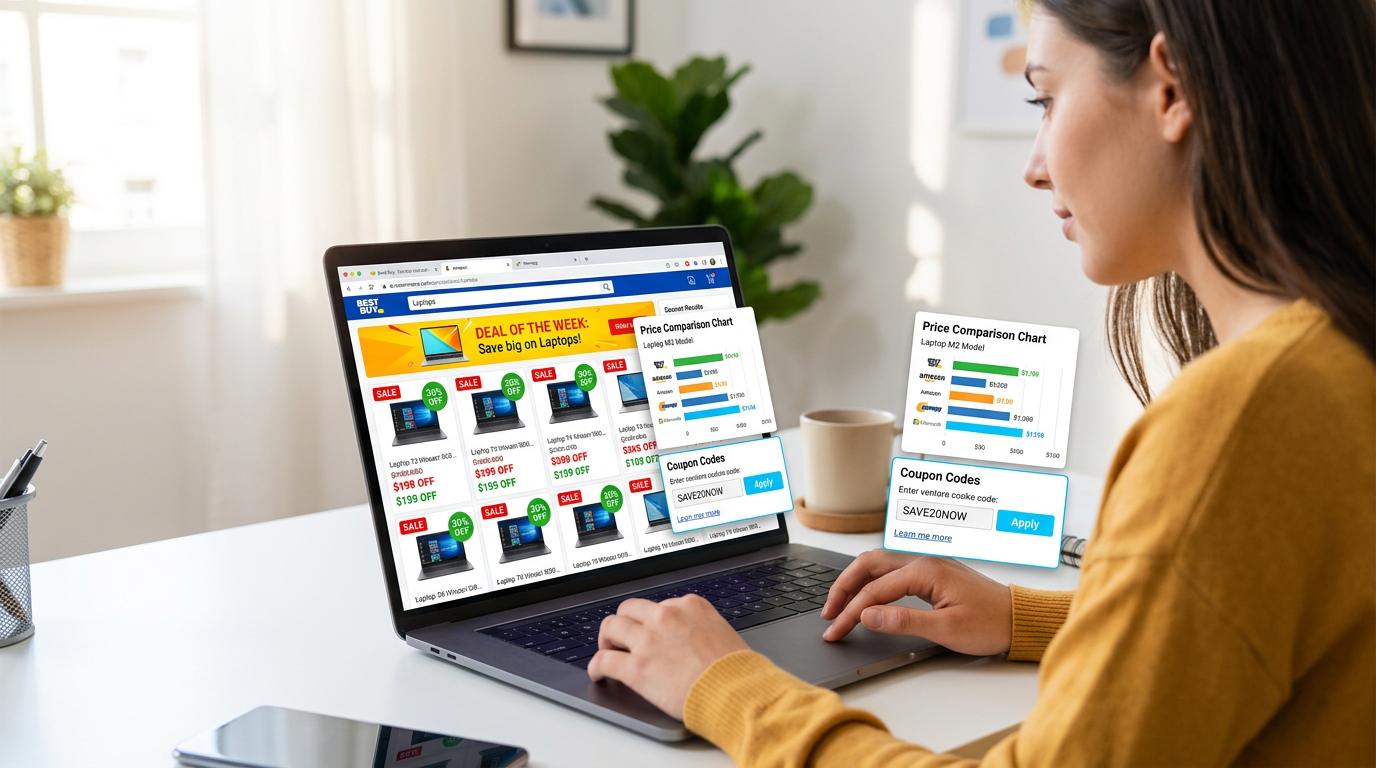
Online shopping gives access to many products and prices. Finding the best deal is not only about choosing the lowest price. It also involves checking value, timing, and sources. With the right approach, users can save money and make better buying decisions.
This guide explains how to find deals online using simple and practical methods.
Understanding Online Deals
A deal means getting a product at a price lower than its usual cost or receiving extra value with the purchase. Deals can include discounts, bundles, or special offers.
Common types of deals include:
- Price discounts
- Coupon codes
- Seasonal sales
- Bundle offers
- Cashback rewards
Understanding these options helps users choose wisely.
Compare Prices Across Platforms
One of the most effective ways to find a deal is to compare prices on different websites. The same product may have different prices on multiple platforms.
Steps to follow:
- Search the product on more than one website
- Check total cost including shipping
- Look for hidden charges
Price comparison helps avoid overpaying.
Use Price Comparison Tools
Many tools are designed to compare prices across websites. These tools save time and show available options in one place.
Benefits include:
- Quick comparison
- Access to multiple sellers
- Easy decision making
Using these tools improves accuracy when choosing a deal.
Look for Coupon Codes
Coupon codes provide extra discounts during checkout. Many websites and apps offer these codes.
Ways to find coupon codes:
- Visit coupon websites
- Check email newsletters
- Look at promotional banners
Always apply a coupon before completing payment.
Take Advantage of Seasonal Sales
Online stores offer discounts during special events and seasons. These sales provide an opportunity to buy products at lower prices.
Common sale periods include:
- End-of-season sales
- Holiday sales
- Special campaign days
Planning purchases during these times can reduce costs.
Sign Up for Newsletters
Many online stores send deals through email newsletters. Subscribing to these updates keeps users informed about new offers.
Benefits include:
- Early access to sales
- Exclusive discount codes
- Updates on new products
This helps users act quickly when deals appear.
Use Cashback Offers
Cashback programs return a portion of the money spent on purchases. This reduces the total cost.
Cashback options include:
- Bank offers
- Wallet rewards
- Affiliate platforms
Always check if cashback is available before buying.
Check Product Reviews
A low price does not always mean a good deal. Product quality matters. Reviews help users understand the value of a product.
Check:
- User ratings
- Written feedback
- Product images from buyers
This ensures that the deal is worth the price.
Follow Brands on Social Media
Brands often share deals on social media platforms. Following official pages helps users stay updated.
You may find:
- Limited-time offers
- Flash sales
- Special announcements
This can lead to savings.
Use Wishlists and Alerts
Many shopping platforms allow users to create wishlists. Users can track price changes for selected products.
Features include:
- Price drop alerts
- Stock updates
- Easy access to saved items
This helps users buy at the right time.
Check Return and Warranty Policies
A deal is useful only if the product meets expectations. Always check return and warranty policies.
Important points:
- Return period
- Refund method
- Warranty coverage
This protects the user after purchase.
Avoid Impulse Buying
Buying without planning can lead to unnecessary spending. A deal should match a real need.
Before buying:
- Ask if the product is needed
- Compare options
- Wait before making a decision
This helps control spending.
Look for Bundle Offers
Some sellers offer bundle deals where multiple products are sold together at a lower combined price.
Examples include:
- Buy one get one offers
- Product sets
- Combined service packages
Bundles can provide better value.
Check Shipping Costs
Sometimes a product has a low price but high shipping cost. Always check the total cost before buying.
Look for:
- Free shipping offers
- Delivery charges
- Minimum order for free delivery
This ensures accurate cost calculation.
Use Filters and Sorting Options
Shopping platforms provide filters to narrow down options. These tools help find deals quickly.
Use filters for:
- Price range
- Discounts
- Ratings
Sorting options can show the lowest price or best value.
Verify Seller Credibility
Deals from unknown sellers may carry risk. Always check seller information.
Look at:
- Seller rating
- Customer feedback
- Order history
Buying from trusted sellers reduces problems.
Track Price History
Some tools show past price trends of products. This helps users know if the current price is a deal.
If the price is lower than usual, it may be a good time to buy.
Use Multiple Payment Options
Different payment methods may offer different benefits. Some banks or wallets provide discounts or cashback.
Before paying:
- Check available offers
- Choose the best option
This can reduce cost further.
Stay Updated with Deal Websites
There are websites dedicated to sharing deals and offers. These platforms collect deals from different sources.
Benefits include:
- Time saving
- Access to verified deals
- Regular updates
This helps users stay informed.
Common Mistakes to Avoid
When searching for deals, avoid:
- Ignoring product quality
- Falling for fake discounts
- Skipping price comparison
- Not checking total cost
Avoiding these mistakes leads to better decisions.
Conclusion
Finding the best deals online requires attention and planning. It involves comparing prices, checking offers, and understanding value. A good deal is one that saves money and meets the user’s needs.
By using these methods, users can make informed choices and improve their online shopping experience.